Vertical Faith: The Concert Redesigned for a Camera That Isn't There
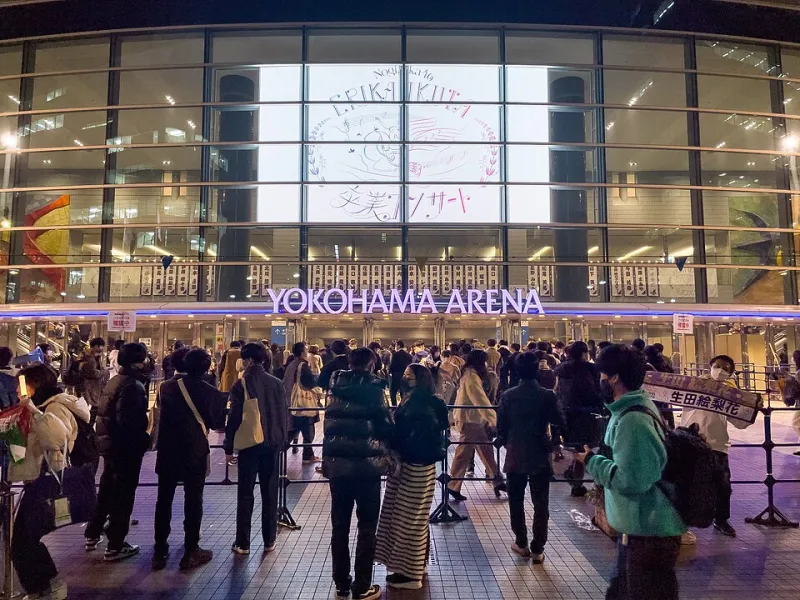
Photo: Dick Thomas Johnson from Tokyo, Japan, CC BY 2.0, via Wikimedia Commons
Stand in the pit at almost any major American tour right now and watch the first thirty seconds. When the lights drop, a forest of phones rises in unison — a field of glowing rectangles tilted slightly, all framing the same vertical rectangle of stage. The show doesn't start until the forest is up. Sometimes it feels like the band is waiting for it.
Maybe it is.
The Venue Fights Back, Sort Of
The first wave of resistance was blunt. Yondr pouches — those locked neoprene sleeves you get at comedy shows and, occasionally, at Jack White gigs — physically sealed phones away. Some artists banned filming outright. Others drew a line at the mixing board: shoot all you want back there, but the first hundred rows belong to the room.
Then the strategy shifted, because of course it did. Banning phones means banning the single most powerful marketing apparatus in live music. Every fan-filmed clip is a free ad, a viral candidate, a reason a stranger in Omaha buys a ticket to the next date. So the smart money stopped fighting the camera and started designing for it. Fireworks timed for the phone raise. Stage visuals built to read in a 9:16 frame. Moments engineered to be clipped.
Designing for the Absent Audience
This is the genuinely strange part: a growing share of any tour's creative budget now serves people who aren't in the building. The vertical camera has a narrower field of view than the human eye, so center-stage staging matters more. Faces matter more. Spectacle that films well matters more than spectacle that simply feels overwhelming from the lawn.
You can see the trade-off from either direction. Critics say the room is becoming a film set with a live audience, that the collective gasp is being replaced by the collective upload. Defenders note that phone-free nostalgia is mostly a luxury belief — the same people complaining about screens were once fine with the guy holding a lighter, and the taped bootleg, and the VHS of Saturday Night Live performances. Recording live music is older than the smartphone. The phone just democratized the bootleg.
Both things are true, which is what makes this hard. The clips do bring people in the door — tour sales increasingly spike off viral moments. And the room does feel different when ten thousand people are watching a show through glass, curating in real time instead of witnessing.
A Measured Middle
The honest answer is that nobody's going back. Phones are load-bearing in modern life; expecting people to pocket them for three hours is fighting gravity. The question worth asking isn't "how do we ban them" but "what does the room owe itself?"
Some answers are already emerging. Phone-locked shows as a premium, opt-in experience — pay extra, surrender the device, get the unrepeatable night. Artists carving one song per show as a no-films moment, a single pocket of collective attention. Venues designing camera zones the way they design standing rooms.
Live music survived radio, MTV, and the mp3. It'll survive the vertical camera. But the shows that feel transcendent in ten years will be the ones that remember the camera is a guest in the room — not the reason the room exists.