Everybody Knows You're Coming Back: The Encore Is a Lie We All Agreed To Keep Telling
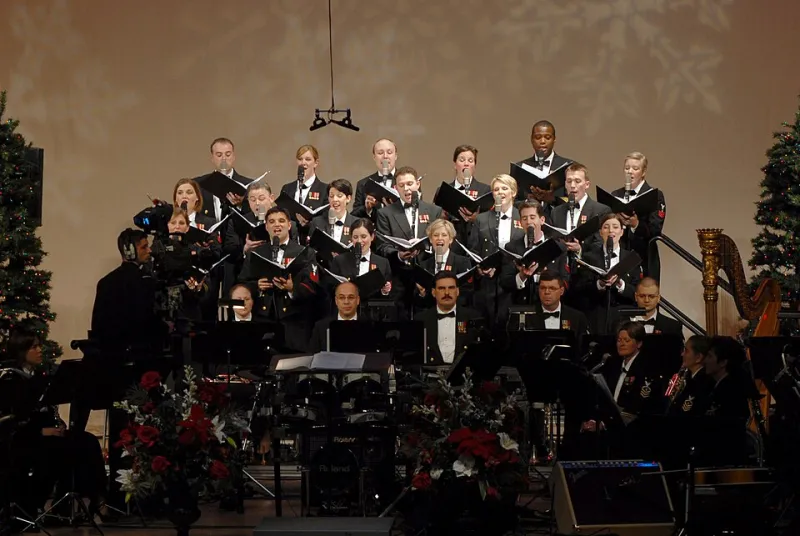
Photo: U.S. Navy photo by Chief Musician Stephen Hassay, Public domain, via Wikimedia Commons
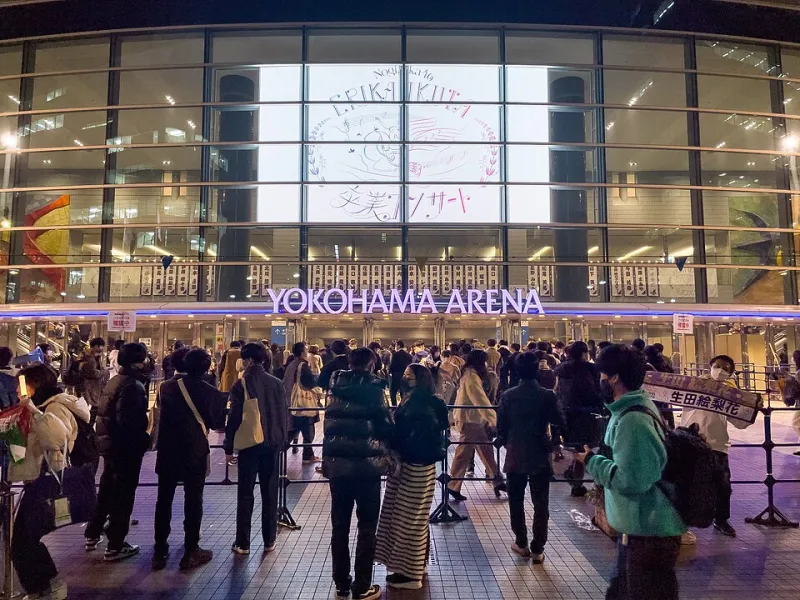
Let's just say it out loud: the encore is theater, and we're all in on the script. The band exits. The lights stay off. The crowd chants a word that means "again" in a language most of the crowd doesn't speak. And then, shockingly, the band — who never actually left the building, whose gear is still plugged in, whose water bottles are still on the mic stands — returns to perform the two songs they were always going to perform.
We call this a magical moment. It is a stage direction with a chanting section.
A Ritual Born From Actual Chaos
The encore wasn't always a lie. Its origins are genuinely charming: in the classical tradition, audiences demanded an additional piece from a performer who had genuinely finished. The demand came from the crowd. The performance was a gift, not a contractual obligation.
Somewhere in the arena-rock boom of the '70s and '80s, the direction flipped. The encore became something bands planned, budgeted, and built lighting cues around. By the time MTV-era acts were exiting to pre-recorded intermission music, the ritual had calcified into pure choreography. The crowd wasn't demanding anything. The crowd was performing its role in a play the band wrote.
The Artists Who Just... End
Here's the thing worth celebrating: the rebellion already exists. Bruce Springsteen, the hardest-working man in a fading tradition, has spent a decade simply ending his shows. No exit. No fake goodbye. He plays until the songs are done, says goodnight, and leaves. It's radical in its plainness.
Plenty of club-level artists have quietly done the same, partly out of exhaustion — when you're fourth on a six-band bill, you don't have songs to spare on theater. And some pop acts have rebranded the encore entirely, treating the final segment as a "final act" with costume changes and narrative, dropping the pretense that anyone is coming back from anywhere.
These honest endings work. Audiences don't riot. Nobody feels cheated. It turns out the emotional beat we actually want isn't the charade of departure — it's a sense of completion.
What an Honest Ending Could Be
Imagine a show that ends the way a great album ends: with intention. The last song chosen because it's the last song. A moment of actual silence instead of a chanting intermission. Maybe the band stays onstage and takes the bow while the lights are still up — reversing the whole conceit and thanking the crowd in the light rather than from the shadows.
The defense of the encore, when people bother to make one, is that it's a shared fiction that feels good. Fine. But live music's most exciting frontier right now is sincerity — artists stripping away the plastic gestures because audiences can smell plastic from the back row. The encore is the last big piece of inherited stagecraft nobody has audited.
The lights come up. The house music starts. And we all pretend, one more time, that we didn't see it coming.