Three Hundred Seats and a Whole Scene: The Slow Fade of America's Small Stages
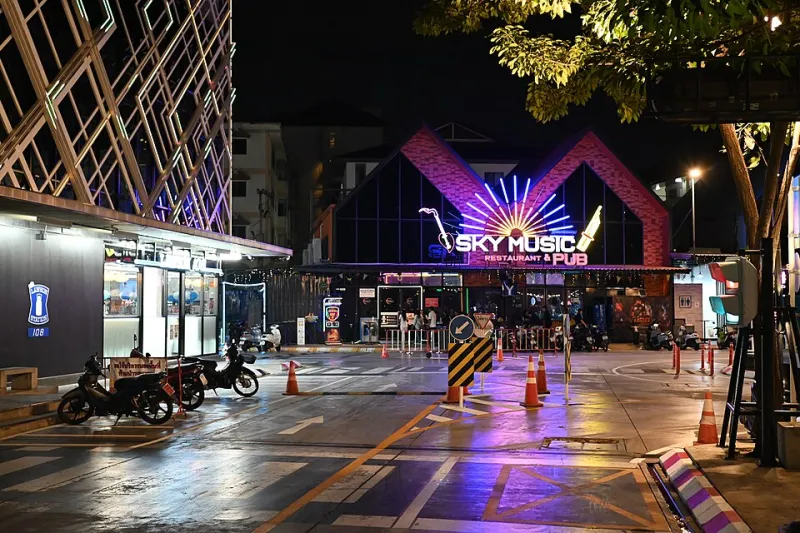
Photo: PattayaPatrol, CC BY-SA 4.0, via Wikimedia Commons
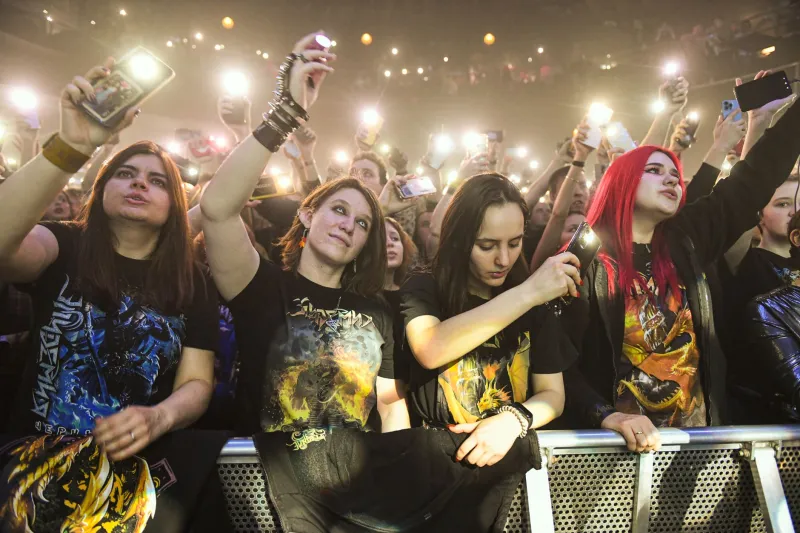
There's a specific sound a small venue makes when it's full that no arena can fake. It's not louder — it's denser. Bodies and bar chatter and the opening band's amp hum all compressed into a room barely bigger than a two-car garage. That sound is disappearing all over the country, one "for lease" sign at a time.
The Math Never Worked Anyway
Here's the uncomfortable truth: the small venue was always a terrible business. Rent in American cities has doubled, tripled, in some cases quadrupled since the 2000s. Ticket margins on a $15 show with a 300-person capacity don't leave room for a landlord who just discovered what the space could be worth as luxury apartments.
So the venue dies twice, as the saying goes. First comes the closure announcement — usually a gray Instagram post, a caption full of crying emojis from local musicians. Then comes the second death, the quieter one: the building gets flipped, and the room itself is erased. The stage becomes a fitness studio. The sound-treated walls get ripped out for exposed brick. A plaque, if you're lucky. Usually not even that.
Walk through any mid-sized American city and you can play this game. That climbing gym in Portland? Venue. That bank branch in Chicago? Venue. The rooftop bar in Nashville with the strict "no original music" policy? You already know.
What We Actually Lose When a Room Closes
It's tempting to frame venue closures as nostalgia — sad, sure, but cultural entropy, the natural order. That framing lets everyone off the hook. The reality is more concrete.
Small rooms are the only place where the apprenticeship of live music still happens. A band learns to hold a crowd in a room that holds 250 people, most of them talking. They learn which songs land, how to fill an awkward silence, how to be better than the sound system. No festival slot or TikTok virality substitutes for those hundreds of unglamorous Tuesday nights.
The ripple effects are economic too. National touring acts route through cities based on the venues that will book them. Lose two or three rooms and the routing map collapses — tours skip the city entirely, local openers lose the opening slots, the sound engineers and bartenders and poster printers lose the work. A scene isn't a vibe. It's infrastructure.
The Afterlife of a Shuttered Hall
Consider the typical ghost. The marquee comes down. A developer announces "luxury residential units" with language about "honoring the building's artistic legacy," which means a mural in the lobby. Former regulars drive past and point, the way you'd point at a car accident.
But there's a newer chapter being written, and it's more interesting than the obituary. In city after city, venue closures have become rallying points. Fans show up to city council meetings. Petitions circulate with the urgency of campaign drives. In some places, musicians and promoters have pooled money to buy buildings outright — turning the venue into a cooperative or a nonprofit so no single landlord can kill it.
Cities are slowly catching on too. A handful of American municipalities have started exploring things like soundproofing grants, liquor license reforms, and cultural zoning that acknowledges a music venue as something other than a generic bar. It's late, and it's patchy, but it's a start.
Keep the Lights On Yourself
The honest answer to "what can I do" is unglamorous: go. Buy the $15 ticket on a weeknight. Pay the cover for the local opener you've never heard of. Buy the merch when the tour ends. Venues don't die from a single bad month — they die from a thousand nights when everyone stayed home and streamed the live album instead.
The rooms where legends were made were never legendary at the time. They were just rooms, drafty and sticky-floored, run by someone one bad lease away from losing everything. The legend part happened because people showed up.
Show up.