Thirty Minutes in the Dark: The Forgotten Set That Decides Every Tour's Future
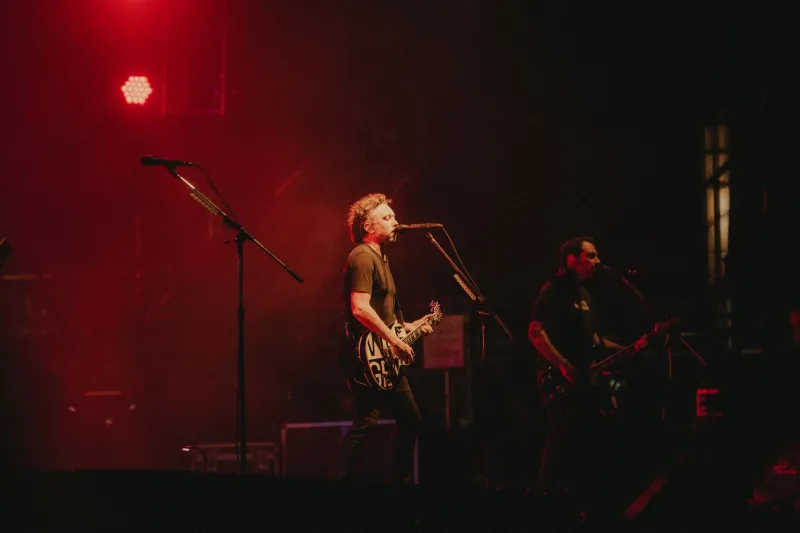
Doors at 7. Opener at 8. Headliner at 9:30. That math has governed American live music for decades, and everyone involved knows the unspoken truth buried inside it: nobody shows up for the 8 o'clock slot.
The room proves it every night. Half the floor is still in the merch line. The other half is nursing a $16 beer and scrolling. The opener walks onstage to a crowd that hasn't decided to ignore them — they simply haven't arrived yet, physically or emotionally.
What the Set Actually Sounds Like
Stand close enough to the stage during an opening set and you'll notice something odd: the mix is almost never right. The opener gets a thirty-minute soundcheck squeezed between the headliner's four-hour load-in, which means the vocals are either buried or piercing, the bass is a rumor, and the band is guessing in real time which songs will land.
Good openers adapt. They trim the ballads, front-load the bangers, and talk to the crowd like they're old friends even though the room feels like a dentist's waiting area. The best ones treat the sparse crowd as a feature, not a bug — an intimate set nobody else will ever see, performed for the two hundred people who cared enough to be early.
Most of them, though, are just surviving. Playing to silence. Watching a sea of phones with the flash off, faces lit blue, waiting for the real show to start.
The Farm System Nobody Funds
Here's the uncomfortable part: this ignored half-hour is how the industry has always grown headliners. Olivia Rodrigo opened for... well, everyone. Olivia Rodrigo opened on tours where she was a name on the ticket nobody read. Billie Eilish played rooms a fraction of this size as an opener. The feeder system works — when it works.
But the economics are collapsing. Openers on most mid-level tours are lucky to cover gas and a motel outside Cleveland. Some pay to be there, a pay-to-play structure that would be scandalous in any other industry. Meanwhile, streaming has flattened the discovery curve: a fan can hear a new artist at home for free, so why arrive early?
The result is a strange inversion. The opener has never been more necessary — touring is the only reliable income left for developing artists — and never less supported.
Who's Actually in the Room
Ask any A&R person worth their salary and they'll tell you the truth: the opener's set is an audition performed in front of the headliner's crew, the venue's booker, and a handful of superfans who arrive early on purpose. That's the real audience. The crowd is a dress rehearsal.
Some artists have figured out how to weaponize this. They play stripped-down versions of songs that hit harder in a half-empty room. They hang around the merch table afterward and shake every hand. They treat the thirty minutes like a headlining slot, because on some night, somewhere, it becomes one.
Fixing the First Half Hour
The solutions aren't mysterious. Venues could discount early entry. Headliners could pay their openers like employees instead of calling it exposure. Ticketing could stop pretending the show starts at 9. And fans — yeah, us — could leave the house forty minutes earlier and take a flier on a stranger.
Every headliner you love was once a name on a marquee you walked past. The next one is currently playing to the bartenders and the door guy. Maybe show up and watch.