Sync or Swim: The Shadow Curators Choosing What You Cry To on Sunday Nights
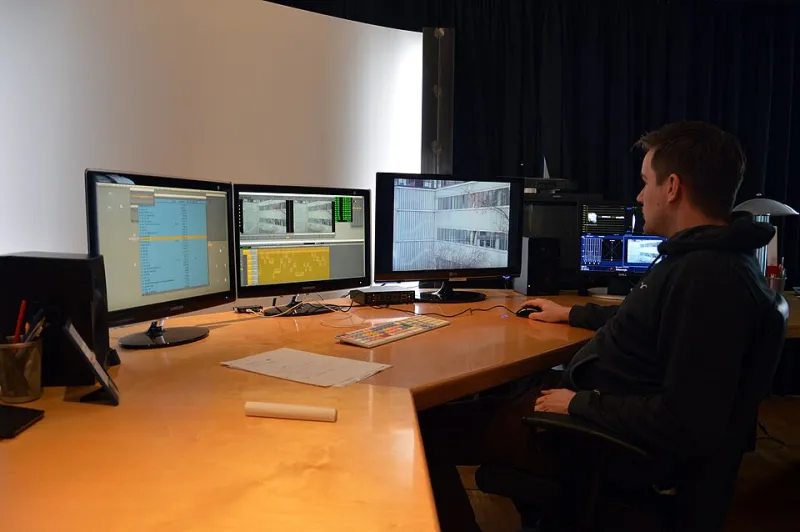
Photo: Klaus Eichler, CC BY-SA 3.0 de, via Wikimedia Commons
Somewhere in Los Angeles right now, a person you've never heard of is deciding what an entire generation will cry to.
They're not an artist. They're not an A&R exec. They're a music supervisor — the person who reads a script, watches a rough cut, and answers the single most emotionally loaded question in modern filmmaking: which song plays here? And if the last few years have proven anything, it's that their answer can move charts, resurrect dead catalogs, and change the trajectory of a career in a single weekend.
The New Radio Doesn't Have a Dial
Here's how the machine works now. A show hits. A scene lands — usually the finale, sometimes the cold open. The song underneath it, often something obscure or decades old, detonates emotionally in front of millions of viewers at once. Then the audience does what audiences do: they Shazam it, they search it, they stream it, they make TikToks about how it wrecked them.
The results are not subtle. Songs that spent years in total obscurity have charted — genuinely charted, Billboard and all — on the strength of one sync placement. Older catalogs see streaming spikes that dwarf anything their original release ever generated. For an artist, a well-placed sync in a hit show is the closest thing the industry still has to a radio add, except the "station" is a streaming drama and the "disc jockey" is a curator with a script in one hand and a licensing budget in the other.
This is why the credits sequence matters now in a way it hasn't since the age of the theme song. Showrunners have learned that the needle-drop over the closing scene is the moment audiences carry out the door. It's the emotional receipt. Get it right, and the song becomes inseparable from the show — forever. Try hearing certain ballads now without picturing a specific fictional heartbreak. You can't. Nobody can. That's not an accident. That's craftsmanship.
Bidding Wars for a B-Side
What audiences don't see is the scramble behind it. Licensing a song for film and TV is a negotiation with two sets of rights holders — the publishing side and the master side — and either one can kill a placement. When multiple productions want the same track, prices can balloon into figures that would've been unthinkable for a song nobody was looking for two months earlier.
Supervisors have become part curator, part diplomat, part budget enforcer. They maintain deep personal libraries built over decades. They know which indie labels will say yes, which legacy catalogs move slowly, which artists care more about the right scene than the right check. And increasingly, they're the first call artists make — because a supervisor who loves your track can put it in front of more people in one night than a year of playlisting.
The economics have created strange new winners. Small labels now structure entire release strategies around sync pitching. Sync agencies court developing artists with the frank pitch that a single placement can fund the next record. There are artists you've loved for years who would tell you, honestly, that they exist professionally because of forty-five seconds of screen time in season two of something you binged in a weekend.
The Curation Crown Changes Hands
There's a bigger shift underneath all of this, and it rhymes with a story music culture has been telling for a decade: the death of the gatekeeper, the rise of the curator. Except the supervisor isn't an algorithm and isn't an influencer. They're something almost old-fashioned — a person with taste, trusted to deploy it at maximum emotional impact.
And they're being trusted with more than ever. Showrunners now write scenes with songs in mind before the songs are cleared. Some scripts literally name the track, and the production shapes itself around whether it can afford it. The music has moved from garnish to architecture. Choose the wrong song for a farewell scene and the scene dies; choose the right one and you've made a moment people will carry for years.
So the next time a show ends, the screen fades, and a song you've never heard — or one you forgot you loved — reaches up and takes your breath with it, know that a room full of people fought over that moment. Argued about it. Maybe blew the budget on it.
You didn't discover that song. Someone chose it for you. And they were right.