Watch Before You Hear It: Seven Visual Album Moments That Rewired the Listening Experience
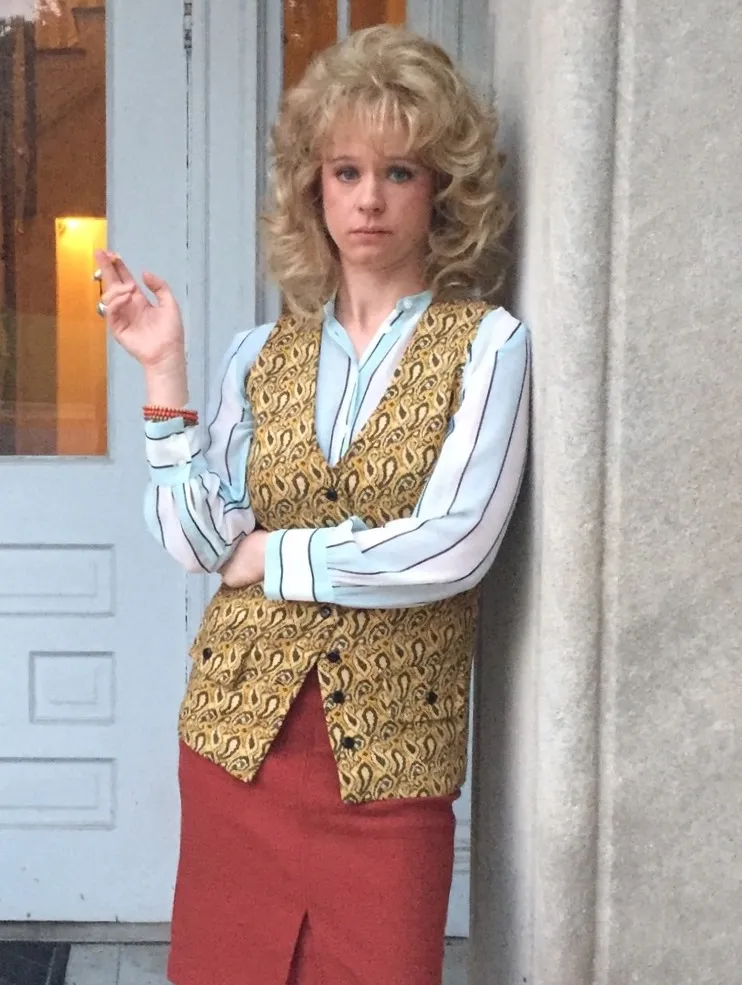
Photo: Donmike10, CC BY-SA 4.0, via Wikimedia Commons
There was a time when an album arrived as a mystery. You dropped the needle or peeled the cellophane, and the only images you had were the cover art and whatever your imagination built from there. That era is over, and honestly? Good.
The visual album didn't replace the record — it absorbed it. What started as promotional material has become inseparable from the listening experience itself. In 2025, an album's imagery isn't marketing for the music. It's a second disc. Here are the moments that got us here.
1. The Midnight Drop That Broke the Rules
When Beyoncé released a full visual album with zero warning in December 2013, she didn't just shock the industry — she rewired the format. Fourteen songs, seventeen videos, all at once, all at midnight. Nobody had treated the album as a film before. Everyone has tried since.
2. The Long-Form Film That Refused to Be a Playlist
Not every visual album is a clip collection. Some artists have gone full feature-length, weaving tracks into a single narrative film where the songs function as chapters. These projects made the case that an album could have a plot arc — that sequencing could mean something cinematically, not just sonically.
3. The One-Take Wonder
Occasionally a single continuous video — no cuts, no effects, just a camera and a performance — does more for an album than a million-dollar production ever could. These videos spread not because they were polished but because they felt dangerous, like anything could go wrong at any second. Virality before virality was the plan.
4. The Animated Detour
Some of the most enduring visual albums skip humans entirely. Full animation lets an artist build a world no budget could shoot, and the best of them age better than live-action — a hand-drawn universe doesn't have a bad hair day, let alone a dated celebrity cameo.
5. The Short-Form Explosion
Then TikTok arrived and compressed everything. A fifteen-second clip of a video became the primary way songs traveled, and artists started designing visuals backward — building the moment that would loop first. Purists hated it. But the numbers didn't lie: the feed became the new MTV, and the visual album learned to live in fragments.
6. The Concert Film as Studio Album
A newer hybrid: artists releasing the live visual album as the primary document, with the studio recording as the companion piece. The staging, the lighting, the crowd — the performance became the definitive version, and the audio was the bonus disc. A complete inversion of how it used to work.
7. The Album You Can Only Watch
The logical endpoint is already here: projects where the visual and the audio are so interlocked that listening without watching feels like reading a screenplay instead of seeing the movie. Fans debate which way to experience it first. That debate — sound or image — is the clearest sign the visual album won.
Why This Is Actually Good News
Critics grumble that visuals colonize the imagination, that you can no longer hear a song without seeing its video. True. But the same complaint was lodged when album covers got elaborate, and when music videos debuted, and every generation it survives. Music was never purely sonic anyway — it came wrapped in sleeve art, stage lights, and liner notes.
The visual album just made the wrapping explicit. And in doing so, it gave artists a bigger canvas and gave listeners one more way to fall in love with a record. That's not a downgrade. That's a bigger room.