Confessional Mode: How Selling Your Soul Online Became a Line Item in the Marketing Budget
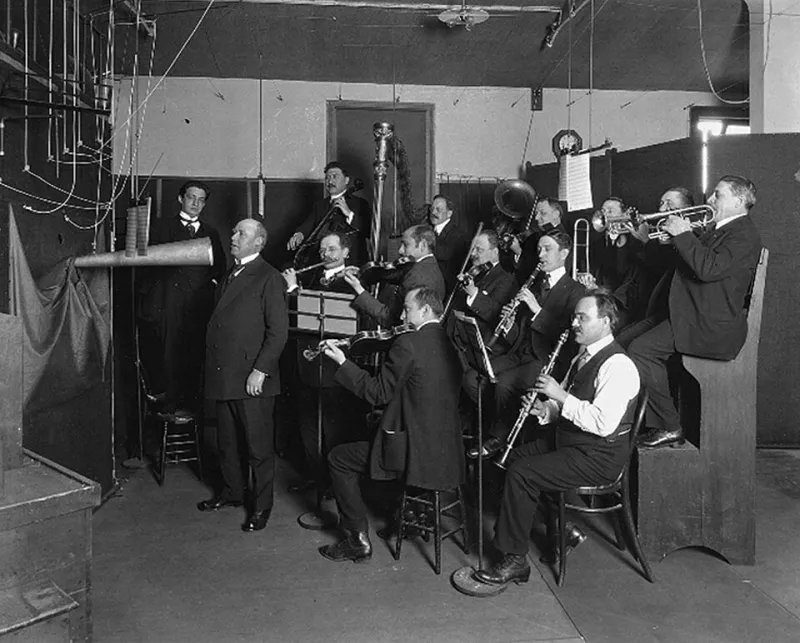
Photo: Unknown photographer, CC BY-SA 4.0, via Wikimedia Commons
Somewhere between the third teary Instagram Live and the carefully lit "no makeup" photo posted at 11:47pm on a Tuesday, something shifted. The confession became a product. The breakdown became a rollout strategy. And the audience — us, all of us — kept clicking, kept sharing, kept rewarding the performance with exactly the kind of engagement that makes a label's quarterly report look very, very healthy.
Welcome to the authenticity economy. Population: everyone who ever said they just wanted artists to keep it real.
The Setup
Here's how it usually goes. An artist is six weeks out from a release. The singles are locked. The press run is mapped. And somewhere in the strategy meeting, someone floats the idea of a "vulnerable moment." Maybe a candid post about the creative struggle behind the album. Maybe a voice note shared to Stories, voice cracking just slightly, talking about how scared they were to make this record. Maybe a thread about the relationship that inspired every track, names changed but barely.
The content goes up. It feels raw. It feels unguarded. It performs extraordinarily well.
Nobody's lying, exactly. The feelings might be real. The story might be true. But the timing, the framing, the platform choice, the caption — all of it was deliberate. That's the part nobody talks about at the dinner table.
When Vulnerability Became a Metric
The shift didn't happen overnight. You can trace a line from early 2010s Tumblr culture, where oversharing felt genuinely transgressive, through the rise of YouTube confessional vlogs, all the way to the current moment where a well-placed breakdown can move more pre-saves than a traditional radio campaign.
Artists figured out, and their teams confirmed with data, that audiences respond to perceived access. Not the music video with the million-dollar budget. Not the magazine cover. The blurry photo from the recording studio at midnight. The tweet that reads like it was sent before the publicist could stop it. The TikTok where they're crying in a car.
The car-crying video, specifically, has become its own subgenre. There's an entire visual grammar to it now — the slightly unflattering angle, the raw lighting, the way the camera shakes just enough. It communicates: this wasn't planned. Except it usually was.
The Paradox Nobody Wants to Sit With
Here's the uncomfortable part. Audiences say they want genuine connection. In survey after survey, focus group after focus group, fans report that what they value most is feeling like they know the real person behind the music. Relatability scores as the number one trait they're looking for in artists they follow long-term.
And yet, when artists actually post something unfiltered — a bad take, an awkward moment, an opinion that doesn't land — the response is swift and often brutal. The algorithm punishes incoherence. The comment section doesn't reward actual messiness; it rewards the aesthetic of messiness.
So artists learn fast. Real vulnerability is risky. Performed vulnerability is profitable. The market has spoken, and it wants its confessions tidy.
The Cost of the Act
This is where it gets genuinely complicated, because writing this off as pure cynicism misses something important. The feelings are often real, even when the packaging is manufactured. An artist can be genuinely heartbroken and also know that posting about it during a release cycle serves a dual purpose. Those two things coexist. The line between processing publicly and marketing publicly is blurrier than most think-pieces want to admit.
But the cost is real too. Artists who build their brands on sustained vulnerability find themselves in a trap: the audience that came for the rawness needs to be fed more of it. The confession has to keep escalating. The access has to keep deepening. And at some point, there's nothing left that hasn't been workshopped into content.
There's also the toll it takes on the audience's trust. Once you've seen the structure behind the curtain — once you've noticed that every "unplanned" moment drops conveniently close to a release — the spell breaks a little. Not entirely. But enough that even the genuine moments start to feel suspect. That's the authenticity tax in reverse: the more it gets spent, the less it's worth.
The Artists Playing It Differently
Some artists have quietly opted out of the whole game, and it's worth noticing. There's a small but growing cohort who maintain almost no parasocial presence, who share almost nothing personal, and whose mystique has become its own brand differentiator. They let the music be the disclosure. They're not performing realness because they're not performing at all — and ironically, audiences find that deeply compelling.
Others have gone the opposite direction and made the meta-commentary the content. They post about the content calendar. They joke about their own rollout strategy. They turn the machinery visible, and in doing so, find a different kind of connection — one built on shared awareness of the game rather than the pretense that no game is being played.
Both approaches take a certain confidence. Neither one is easy to sustain. But they represent something worth paying attention to: a recognition that the current model has a ceiling.
What Audiences Actually Owe Themselves Here
The honest conversation isn't just about what artists are doing. It's about what we're incentivizing. Every time the vulnerable post outperforms the straightforward one, we're sending a signal. Every time we share the crying video and scroll past the creative process breakdown, we're writing the brief for the next campaign.
We say we want real. We keep rewarding the performance of real. And the artists — who are, at the end of the day, trying to survive in an industry that has made sustainability nearly impossible without constant engagement — respond accordingly.
That's not a character flaw. It's a feedback loop. And feedback loops can be interrupted, but only if someone decides to start responding differently.
The Vibe Check
The authenticity economy isn't going anywhere soon. The incentives are too strong, the data too consistent, the returns too reliable. But there's a fatigue building — you can feel it in comment sections, in the way people talk about certain artists with a kind of exhausted affection, in the jokes about "era announcements" and rollout behavior that have become their own genre of online humor.
At some point, the confessional gets old. At some point, the audience wants the music to do the talking again.
Maybe that's the next pivot. Maybe the most disruptive thing an artist can do right now is just... shut up and drop something great, with no backstory, no breakdown, no carefully lit moment of manufactured access.
Just sound. Just the work.
That would be genuinely surprising. And genuinely surprising, it turns out, is the rarest thing in the whole economy.